







Search Results for: Cupping Competition

A Complete Guide to the Cup of Excellence (COE): Scoring Standards, Competition Format, and What Auction Lots Mean
If you frequently buy specialty coffee beans, you have surely seen the letters "COE" on packaging labels. What exactly do they stand for? Why are beans bearing the COE mark often more expensive? This article will give you a comprehensive understanding of COE—from its origins and founding organization, to its specific differences from the SCA cupping scoring system, and then to the three-stage competition format of the Ethiopia COE, breaking it all down one by one. It will also explain the difference between COE auction lots and national winner lots, as well as the difference between "same-lot" beans on the market and true auction lots, helping you more accurately understand and select coffee beans. [more…]
Ethiopia TOH Natural Champion Aricha: Flavor Analysis of Adorsi Processing Station Aricha Coffee Beans
Yirgacheffe, as a representative producing region of Ethiopian specialty coffee, saw the Adorsi processing station win the natural group championship at this year's TOH harvest-season flavor cupping competition, with its Aricha lot standing out with a high score of 91 points. This article will introduce in detail the origin background, processing station information, competition journey, and flavor characteristics of this champion bean. At the same time, Front Street Coffee will also guide you through the authority of the T.O.H competition, the concept of the Heirloom native variety, and the rich layers of grape juice, jackfruit, fermented wine aroma, citrus, and lemon that this bean displays in cupping, making it suitable for enthusiasts who love Ethiopian natural coffee to gain a deeper understanding. [more…]
Ethiopian Sidamo vs. Uraga Coffee Comparison: Flavor Analysis of a COE Natural Typica and a TOH Washed Heirloom Variety
Front Street Coffee has recently added two competition-grade Ethiopian coffee beans to its lineup: a natural Typica that placed 22nd in the COE Cup of Excellence competition, and a native variety that won the washed group championship in the TOH tournament. This article provides a systematic comparison of these two Front Street Ethiopian coffee beans across multiple dimensions, including competition background, growing region, coffee variety, green bean processing, roasting curve, cupping performance, and brewing recommendations. Readers can use this to understand the differences between the COE and TOH competitions, the terroir characteristics of the Sidamo Arsi and Uraga producing regions, the varietal traits of Typica versus Ethiopian native heirloom varieties, and the influence of natural and washed processing methods on flavor direction, providing a reference for daily purchasing and brewing. [more…]
What exactly is the COE Cup of Excellence competition? A complete breakdown from the scoring criteria to Ethiopia's first auction beans
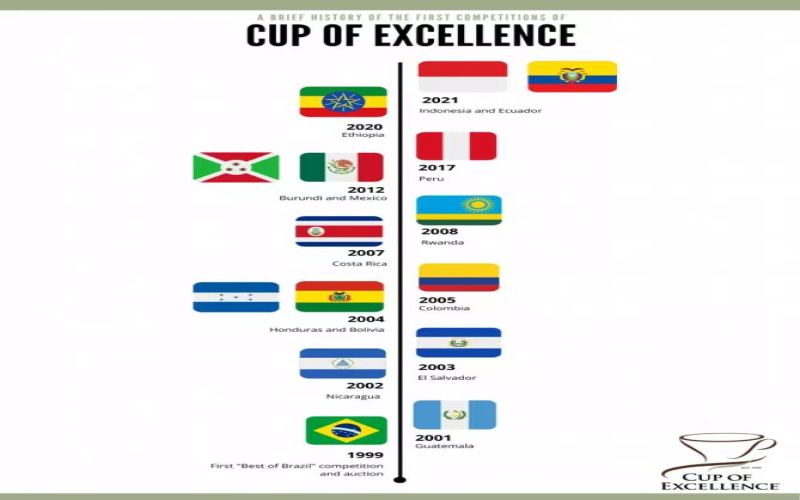
In the specialty coffee world, the Cup of Excellence (COE) is regarded as the most prestigious green coffee competition, and the top-ranked beans on its annual list often become the focal point of auctions. This competition, launched by ACE in Brazil in 1999, now covers more than a dozen producing countries, selecting the top 30 with cupping scores above 87 for a global auction. This article will outline the origins and scoring system of the COE, and focus on reviewing the story of the 22nd-place natural Typica that Front Street Coffee won at auction when Ethiopia first joined the COE in 2020—from West Arsi, grower Adem Banta Sute—as well as the processing, roasting, and brewing details of this bean. [more…]
Ethiopia Yirgacheffe Aricha Natural G1: Flavor Analysis of the Adorsi Processing Station TOH Championship Batch
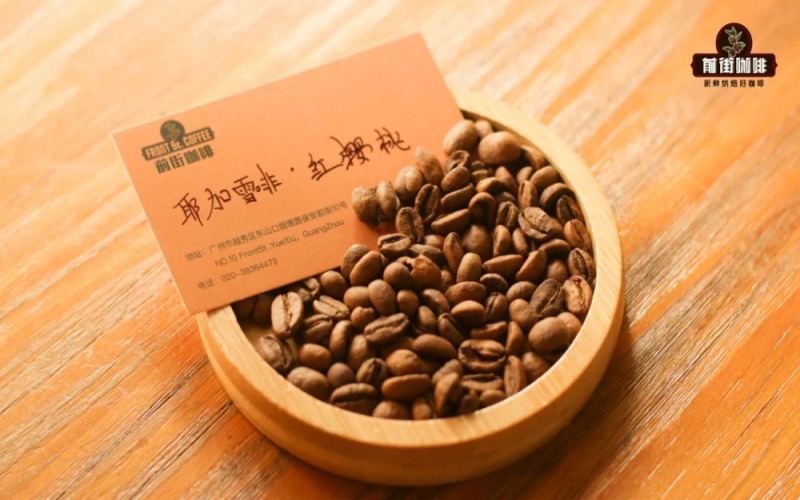
Yirgacheffe, as an iconic specialty coffee region in Ethiopia, has always drawn attention to its natural process lots. This article focuses on the Yirgacheffe Aricha Natural G1 launched by Front Street Coffee. This lot comes from the Adorsi processing station and won first place in the natural group at the 2019 Ethiopia harvest season cupping competition, with a score as high as 91 points. The article will guide you through Yirgacheffe's regional terroir, the background of the Adorsi processing station, an overview of the TOH competition, and the varietal characteristics of the Heirloom landrace. It also breaks down in detail the five steps of the natural processing method and provides complete product information and cupping flavor notes for this coffee. [more…]
An Analysis of the SCAA and COE Coffee Certification Systems: Differences in Scoring Standards and Their Essential Distinction from SOE
In the world of specialty coffee, the SCAA and COE are two authoritative systems that cannot be overlooked. The former established industry standards and cupping protocols, while the latter selects top-tier green beans through rigorous competitions. How do their scoring logics differ? And why are COE and SOE often confused? This article will trace the development and operational mechanisms of the SCAA, CQI, and COE, explain in detail the differences in cupping score sheets, and use the example of the 22nd-place sun-dried Typica that Front Street Coffee bid for at Ethiopia's first COE competition in 2020 to present the complete story from origin to cup. [more…]

COE Cup of Excellence vs. SOE Single-Origin Espresso: A Coffee Guide from Green Bean Competitions to Espresso Extraction
In the world of specialty coffee, the two English abbreviations COE and SOE often confuse enthusiasts—they appear similar but actually point to completely different domains. COE stands for Cup of Excellence, the world's most authoritative specialty green coffee competition, first held by the Alliance for Coffee Excellence in Brazil in 1999 and since expanded to Colombia, Guatemala, Panama, and many other producing countries. SOE, on the other hand, is short for Single Origin Espresso, referring to espresso made from single-origin coffee beans. This article will systematically sort out the essential differences between the two from the perspectives of competition systems, judging procedures, and extraction characteristics, and explore the common question of whether SOE is necessarily superior to blended espresso. [more…]
An Analysis of the Variety Classification, Origin, and Flavor Profile of Geisha Coffee Beans
Is Geisha actually an Arabica variety? It emerged from the wild forests of Ethiopia, journeyed through Kenya, Uganda, Tanzania, and Costa Rica, and finally made a stunning debut in Panama, becoming the new king of the specialty coffee world. This article will trace Geisha's variety classification and transmission path, review its championship history at the Panama Best of Panama cupping competition and the SCAA International Grand Reserve cupping competition, and describe its green bean appearance, aroma characteristics, and key points in choosing roast level. Whether you are a beginner just encountering Geisha or a seasoned connoisseur wanting to understand this bean in depth, you will gain a clear and complete understanding from it. [more…]
What Is the WBC? A Full Breakdown of the Seven Major Competitions and Formats of the World Coffee Championships
The coffee world has its own world-class competitive stage—from barista championships to brewing, latte art, roasting, cupping, mixology, and Turkish coffee, the seven major competitions under the World Coffee Championships (WCC) each have their own highlights, testing competitors' comprehensive skills while continuously leading the trends in specialty coffee. Today, Front Street Coffee takes you through these international competitions one by one to understand their content and rules, and to see what exactly the world's top coffee professionals compete in and how they compete. [more…]
2020 Ethiopia TOH Washed Group Champion Bean Analysis: A Complete Guide to Guji Uraga G1 Grade Flavor and Brewing
Front Street Coffee (FrontStreet Coffee) has long been following and introducing winning lots from Ethiopia's TOH (Taste of Harvest) competition. The 2020 washed category champion bean came from Uraga in the Guji region, earning the national title with a score of 89.8. This bean is grown at an altitude of up to 2,300 meters, graded G1, and processed using the washed method, with flavor notes layered with jasmine, citrus, honey, pomelo, and oolong tea. This article will systematically sort through the TOH competition mechanism, the terroir characteristics of the Guji and Uraga regions, the washed processing flow at the Sela Gajaba processing station, and Ethiopia's green bean grading system, and will also include Front Street Coffee's (FrontStreet Coffee) roasting curve, cupping report, and V60 brewing parameters, helping coffee enthusiasts fully understand the origins and tasting highlights of this champion bean. [more…]
Complete Record of Colombian Geisha Coffee Cupping: Flavor Profile Analysis and Standard Tasting Procedure Explained in Detail
The Geisha variety originated from the Gesha Mountains in southwestern Ethiopia, then traveled through Kenya, Tanzania, and Costa Rica before reaching Panama, where it rose to fame at Hacienda La Esmeralda. Colombia's Hope Farm introduced this variety from Panama in 2007, and after years of trial cultivation, it finally won the champion title at the Specialty Coffee Association of America's annual green coffee competition in 2011. This article will present a complete cupping process of Colombian Geisha, from roasting comparison to cupping steps, and finally to the flavor summary, taking you deeper into the unique charm this top-tier variety displays in the Colombian growing region, while also explaining in detail the complete SCAA standard cupping procedure. [more…]
What Are COE Auction Coffee Beans? A Complete Guide from the Competition Mechanism to Front Street Coffee's Ethiopia COE22
In the world of specialty coffee, COE (Cup Of Excellence) has long been regarded as one of the most credible competitions. It not only determines whether a lot of coffee beans can be sold through auction, but also directly affects a estate's reputation and the income of coffee farmers. This article will walk you through the COE competition format and process, the advantages of auction coffees, and why it has maintained its authoritative status among numerous competitions. At the same time, we will also talk about a coffee on Front Street Coffee's bean list—an auction lot from Ethiopia's first COE competition in 2020, COE22—and look at the origin story and flavor performance behind it, as well as how to bring out its best state in daily brewing. [more…]
What is the difference between auction lot and same-lot coffee beans? An in-depth analysis using the example of Ethiopian COE26 same-lot beans
In the specialty coffee world, auction lots and same-lot coffees are often lumped together, but the two differ fundamentally in quality and scarcity. This article begins with a real sourcing experience at Front Street Coffee, recounting the team's attempt to purchase COE26 same-lot beans after missing out on an Ethiopian COE auction lot. The article systematically sorts out the competition format and process of the COE Cup of Excellence, the conceptual difference between auction lots and same-lot beans, and documents in detail this Yirgacheffe Worka washed bean's regional background, processing method, roasting curve, cupping performance, and brewing parameters. Will the final cupping result deliver the matcha aroma as hoped? Can same-lot beans replicate the surprise of an auction lot? The answer will be revealed in the article. [more…]
Barista Essentials: A Complete Guide to COE and SCAA Cupping Scoring Standards, from Clean Cup to Overall
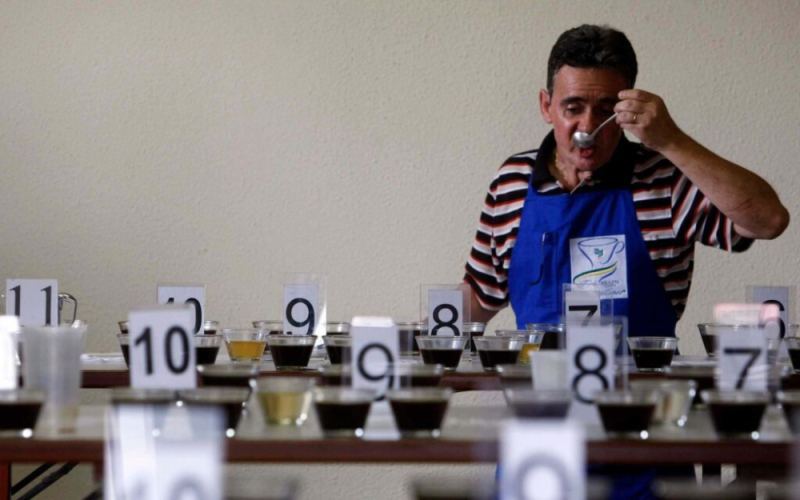
If you want to become a professional barista, cupping is a core skill you can't avoid. This article systematically sorts out the scoring standards of the two major cupping systems, COE and SCAA, analyzing the scoring points and deduction rules one by one, from aroma, cleanliness, sweetness, acidity, mouthfeel, flavor, aftertaste to balance. It also explains in detail the tools needed for cupping, the coffee-to-water ratio, and the operating process, and uses [Front Street Golden Mandheling] as an example to compare the cupping performance of three roasting curves. Whether you are a coffee enthusiast or a practitioner, you can learn from it the scientific method of judging coffee quality and understand the true meaning of COE competition level. [more…]
Ethiopian Yirgacheffe Aricha Coffee Beans: Flavor Analysis of the ASD Anaerobic Slow-Dry Sun-Drying Process
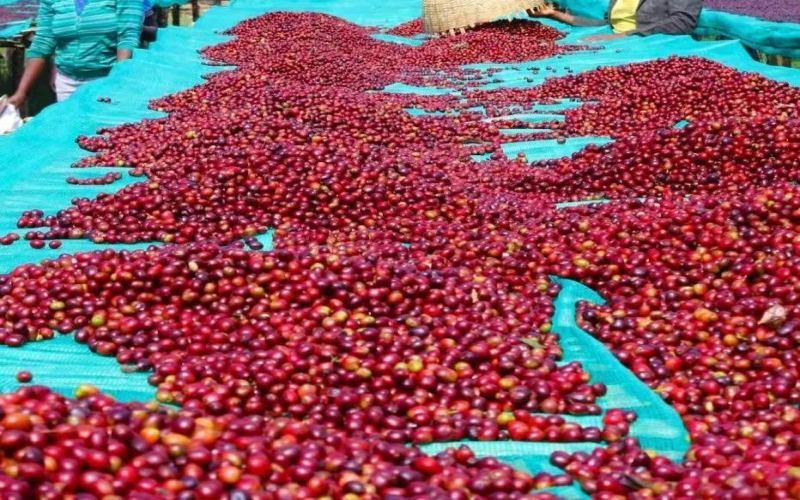
Ethiopia, as the birthplace of coffee, has nurtured countless native varieties. Among them, the Yirgacheffe region stands apart as its own appellation thanks to its distinctive floral and citrus notes, making it a focal point of attention for coffee lovers worldwide. Within Yirgacheffe's Konga Cooperative, the Armetilalo processing station cultivates coffee cherries at 2,200 meters on red soil and employs an Anaerobic Slow Dry (ASD) process, undergoing 120 hours of sealed fermentation and 5 weeks of slow drying to create a full-flavored specialty coffee. These Armetilalo coffee beans won both the Ethiopian National Competition and the Africa TOH championship in 2019/2020, with a cupping score of 90.7. Front Street Coffee has selected these beans and presents them with a medium-light roast, bringing out layers of citrus, berry, cream, rose tea, and white grape. This article will take an in-depth look at their regional background, processing method, and brewing performance. [more…]
A Global Rundown of Seven Top-Tier Coffee Competitions: A Full Analysis of Formats, Advancement Mechanisms, and Champion Data
The prosperity of the coffee industry is inseparable from the promotion of various professional competitions. These competitions not only promote coffee culture but also make the profession of barista more standardized and professional. Every year, many contestants from different countries around the world participate in the competition. Among them, the seven most influential world-class competitions cover multiple fields such as barista, brewing, latte art, roasting, cupping, coffee and spirits, and Turkish coffee. This article will introduce the positioning and competition systems of these events one by one, and focus on sorting out the development history, advancement rules, and past champion data of the World Barista Championship (WBC), helping coffee enthusiasts fully understand the landscape and charm of international coffee competition. [more…]
An Analysis of the Five Estates of Panama's Kotowa Family: Flavor and Cupping of the Sun-Dried Beans from Duncan Estate in Boquete
Panamanian coffee was long underrated until the Best of Panama cupping competition and the emergence of Hacienda La Esmeralda completely rewrote the landscape. Small farms in the Boquete region, with their unique floral aromas and clean fruit tones, achieved cupping quality far surpassing their peers. The Kotowa family, as the biggest winner of the 2012 BOP, owns Duncan and Don K estates that straddle both sides of a volcanic ridge, where microclimate differences give rise to distinctly different flavor profiles. This article focuses on the Kotowa family background and Duncan Estate's farm characteristics, processing details, and cupping performance. Front Street Coffee simultaneously recommends this natural-process bean, taking you to appreciate this mellow masterpiece from the eastern slopes of Barú Volcano. [more…]
Flavor Analysis of Coffee Beans from Ethiopia's Uraga Region: What Makes the TOH Washed Category Champion Batch So Unique?
Front Street Coffee recently launched a highly anticipated coffee bean—the 2020 TOH Washed Group Champion, produced in Ethiopia's Uraga region. This bean impresses with its fresh flavors of citrus and green tea. Geographically, the Uraga region is close to Yirgacheffe and was often sold under the name Yirgacheffe in the past, until the ECX issued Announcement No. 1051 in 2017, after which it was able to be traded independently and gradually emerged. This article will introduce the region's background, the meaning of the TOH competition, the processing details of the champion lot, and the cupping flavors, as well as provide a horizontal comparison with the Yirgacheffe Gedeb Cooperative, giving you a comprehensive understanding of the unique charm of this champion coffee. [more…]
2019 TOH Ethiopia Natural Group Champion: A Detailed Analysis of Specialty Beans from the Adorsi Processing Station in the Aricha Region
The 2019 TOH (Taste of Harvest) Ethiopia Natural Group national champion was won by a Yirgacheffe submitted by the Adorsi processing plant, with a cupping score as high as 91.38 points. The processing plant is located in the Aricha production area, at an altitude of 1,950-2,100 meters. The combination of red volcanic soil and the ancient native Heirloom variety, together with hand-selected 17-18 mesh green beans and a precise anaerobic fermentation process, gives this coffee its outstanding cup performance. Front Street Coffee provides you with a detailed introduction to this champion bean's origin background, competition journey, and flavor characteristics, and shares its richly layered flavor profile of strawberry, berries, guava, brandy, and liqueur chocolate, as well as the changes in acidity and sweet aftertaste after the coffee cools. [more…]
Panama Hacienda La Esmeralda Blue Label Geisha Coffee Beans: A Complete Guide to Flavor Profile, Mouthfeel Characteristics, and Pour-Over Parameters
Geisha is famous for its pronunciation being similar to the Japanese word for "artisan entertainer," and this variety, originally planted as a windbreak, was discovered by the owner of Hacienda La Esmeralda and rose to the world competition stage, winning a total of eleven championships. This article provides a comprehensive introduction to the origin information, variety history, and flavor characteristics of Panama Hacienda La Esmeralda Blue Label Geisha, and also offers detailed pour-over extraction parameters. From its discovery in the forests of Ethiopia in 1931 to the sky-high bid prices at Panamanian auctions, Geisha's legendary journey is worth understanding for every coffee enthusiast. It also includes purchasing information from Front Street Coffee for readers' reference. [more…]